Bad Parenting Is Not Always Loud: When Patterns Matter More Than Incidents
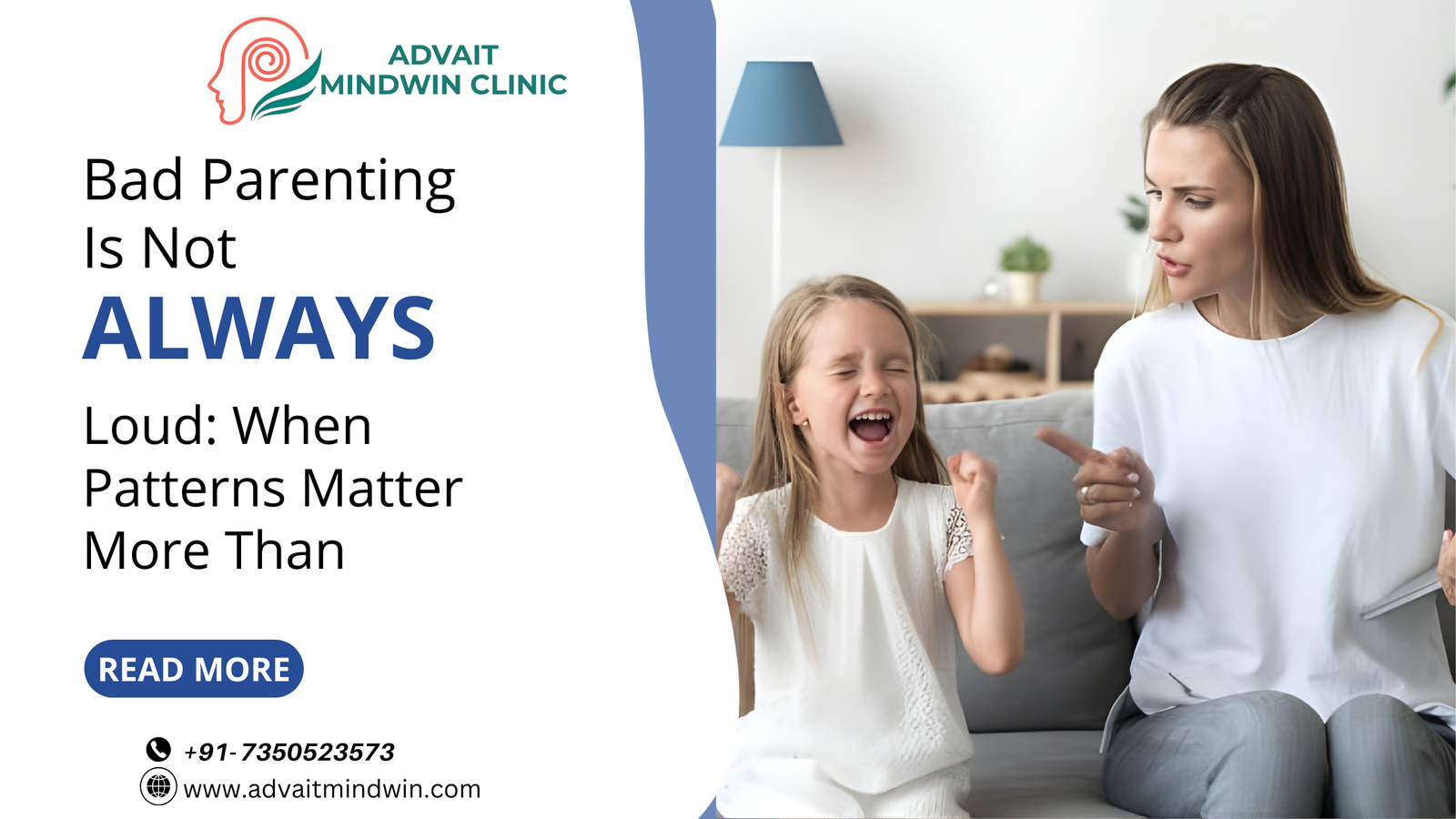
Bad Parenting Is Not Always Loud: When Patterns Matter More Than Incidents
In healthcare and mental health practice, parenting is often discussed in extremes—either clearly nurturing or overtly abusive. However, real-life parenting challenges are rarely so obvious. One of the most misunderstood realities is that bad parenting is not always loud. It does not always involve shouting, physical punishment, or dramatic incidents. More often, it exists quietly in repeated patterns of behavior that, over time, shape a child’s emotional and psychological health.
This blog aims to explain this concept in a clear, professional, and educational way, helping parents, caregivers, and healthcare professionals recognize why patterns matter more than isolated incidents.
Understanding the Difference: Incidents vs. Patterns
An incident is a single event—losing patience once, missing a school function, or reacting harshly during a stressful day. These moments, while not ideal, are part of being human and do not automatically define parenting quality.
A pattern, on the other hand, is behavior that repeats consistently over time. In mental health, patterns are far more significant because children develop their sense of safety, self-worth, and emotional regulation through repeated experiences, not one-time mistakes.
From a healthcare perspective, it is these long-standing patterns—not isolated incidents—that are most strongly associated with emotional distress, anxiety, depression, and behavioral difficulties in children and adolescents.
Quiet Patterns That Can Harm a Child
Some forms of harmful parenting are subtle and socially normalized, making them harder to identify. Yet, their impact can be profound.
1. Emotional Unavailability
Parents may meet a child’s physical needs but remain emotionally distant. Repeated dismissal of feelings such as “You’re overreacting” or “That’s nothing to cry about” teaches children to suppress emotions rather than understand them.
Over time, this pattern can lead to:
- Difficulty expressing emotions
- Low emotional intelligence
- Increased risk of anxiety and depression
2. Inconsistent Responses
Children thrive on predictability. When parental responses swing unpredictably—sometimes warm, sometimes harsh—children remain in a constant state of emotional uncertainty.
Clinically, this inconsistency is linked to:
- Poor emotional regulation
- Heightened stress responses
- Insecure attachment styles
3. Chronic Criticism
Occasional correction is healthy. However, consistent criticism without emotional support can erode a child’s self-esteem.
Repeated messages such as “You’re never good enough” or “Why can’t you be like others?” often result in:
- Perfectionism or fear of failure
- Chronic self-doubt
- Increased vulnerability to mood disorders
4. Conditional Affection
When love and attention are given only after achievements or obedience, children learn that their worth is performance-based.
Healthcare professionals often observe that this pattern contributes to:
- Burnout at a young age
- Difficulty forming healthy adult relationships
- Deep-rooted insecurity
Why Patterns Matter in Mental Health
From a neurological and psychological standpoint, the developing brain learns through repetition. Consistent parenting behaviors shape neural pathways related to trust, stress response, and emotional control.
In clinical practice, mental health professionals—including those recognized as the Best Psychiatrist doctor in Pune—often trace adult mental health concerns back to long-standing childhood patterns rather than single traumatic events.
Children exposed to unhealthy patterns may not show immediate symptoms. Instead, challenges often emerge later as:
- Anxiety disorders
- Depression
- Substance use issues
- Relationship difficulties
This delayed impact is why early recognition is critical.
The Role of Healthcare and Early Intervention
Healthcare providers play a crucial role in identifying harmful parenting patterns early. Pediatric visits, school counseling, and mental health screenings provide opportunities to observe emotional and behavioral warning signs.
Seeking guidance from a qualified mental health professional—such as a Best Psychiatrist doctor in Pune—can help families:
- Understand unhealthy dynamics
- Learn evidence-based parenting strategies
- Prevent long-term psychological harm
Importantly, early support is not about blame; it is about prevention, education, and growth.
Can Parents Change These Patterns?
Absolutely. One of the most encouraging findings in mental health research is that patterns can be unlearned. Awareness is the first step.
Healthy changes include:
- Practicing consistent emotional validation
- Setting clear but compassionate boundaries
- Repairing relationships after conflict
- Modeling emotional regulation
Professional counseling or psychiatric guidance—often accessible even at affordable costs, including consultations under ₹1000 with the Best Psychiatrist doctor in Pune—can make this process structured and effective.
A Healthcare Perspective on Compassion
It is important to emphasize that recognizing harmful patterns does not mean labeling parents as “bad.” Many patterns stem from unresolved stress, mental health challenges, or learned behaviors from previous generations.
Healthcare systems increasingly focus on family-centered mental health care, understanding that supporting parents ultimately supports children.
Conclusion
Bad parenting is not always loud, visible, or intentional. More often, it exists quietly in repeated patterns that shape a child’s emotional world. While single incidents rarely define a child’s future, long-term patterns play a powerful role in mental health outcomes.
By understanding these patterns, seeking timely support, and consulting experienced professionals such as the Best Psychiatrist doctor in Pune, families can foster healthier emotional environments. In mental health, awareness and early intervention are not just helpful—they are transformative.
FAQs:
1. What does “bad parenting is not always loud” mean?
It means parenting issues are not always visible through shouting or abuse. Quiet, repeated patterns like emotional neglect or constant criticism can impact a child’s mental health over time.
2. How do parenting patterns affect a child’s mental health?
Repeated unhealthy patterns influence a child’s emotional development and brain responses, increasing the risk of anxiety, depression, and low self-esteem later in life.
3. Can a single parenting mistake cause long-term harm?
Usually no. Mental health concerns are more often linked to ongoing patterns rather than one-time incidents, especially when parents repair and communicate afterward.
4. When should parents seek professional help?
If a child shows persistent emotional distress, behavior changes, or withdrawal, consulting a mental health professional like the Best Psychiatrist doctor in Pune is recommended.
5. Can parenting patterns be changed with treatment?
Yes. With awareness, counseling, and guidance from the Best Psychiatrist doctor in Pune, parents can learn healthier approaches and improve family well-being.